




Home›Blog›Accent Conversion vs Accent Training vs Live Translation
Accent Conversion Software ReviewAccent Conversion vs Accent Training vs Live Translation
Contents
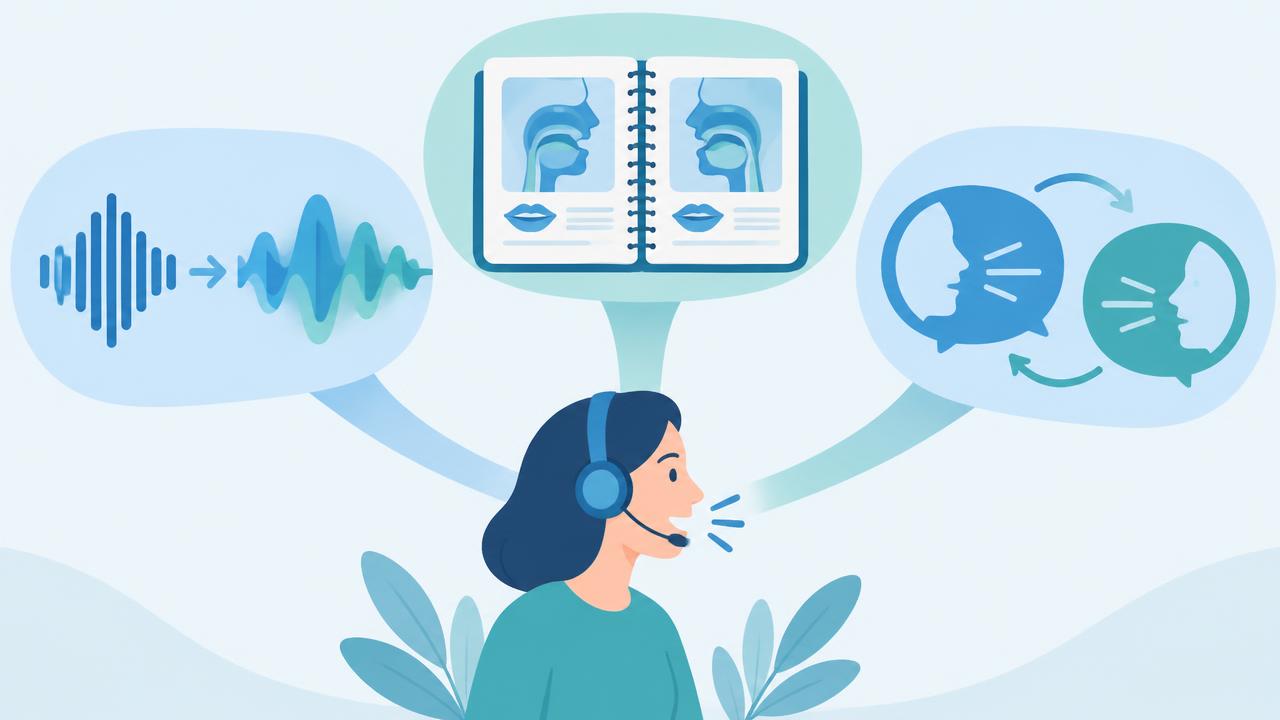
If you speak English as a second language, you have probably seen three kinds of help promised online: accent conversion software, accent training, and live translation. They sound similar, and they are often sold to the same people. Yet each one solves a different problem, works on a different timeline, and costs a different amount of effort. This guide compares accent conversion vs accent training vs live translation side by side, so you can match the tool to the problem you actually have instead of the one an ad suggests.
The short version: accent conversion changes how your voice sounds to listeners right now, accent training changes how you speak over months, and live translation removes the language barrier when you and the other person do not share a language well. Many people end up combining two of them.
Three Tools, Three Different Problems
Before comparing features, it helps to name the communication gap you are trying to close. Most frustrations on calls fall into one of three buckets, and each bucket points to a different solution.
- "People understand my English, but they keep asking me to repeat myself." This is an intelligibility gap in pronunciation or rhythm. Accent conversion helps immediately; accent training helps permanently.
- "I can follow most of the conversation, but I freeze when I need to reply fluently." This is a fluency and vocabulary gap. Training and practice help most; conversion does little here.
- "The other person and I do not really share a language." This is a language gap. Only translation solves it in the short term.
Mixing these up is the most common and expensive mistake. Someone with a vocabulary gap who buys an accent changer will still struggle to reply. Someone with a strong accent but excellent English may waste months of classes when a real-time tool would have fixed tomorrow's sales call.
What Accent Conversion Does (and Doesn't)
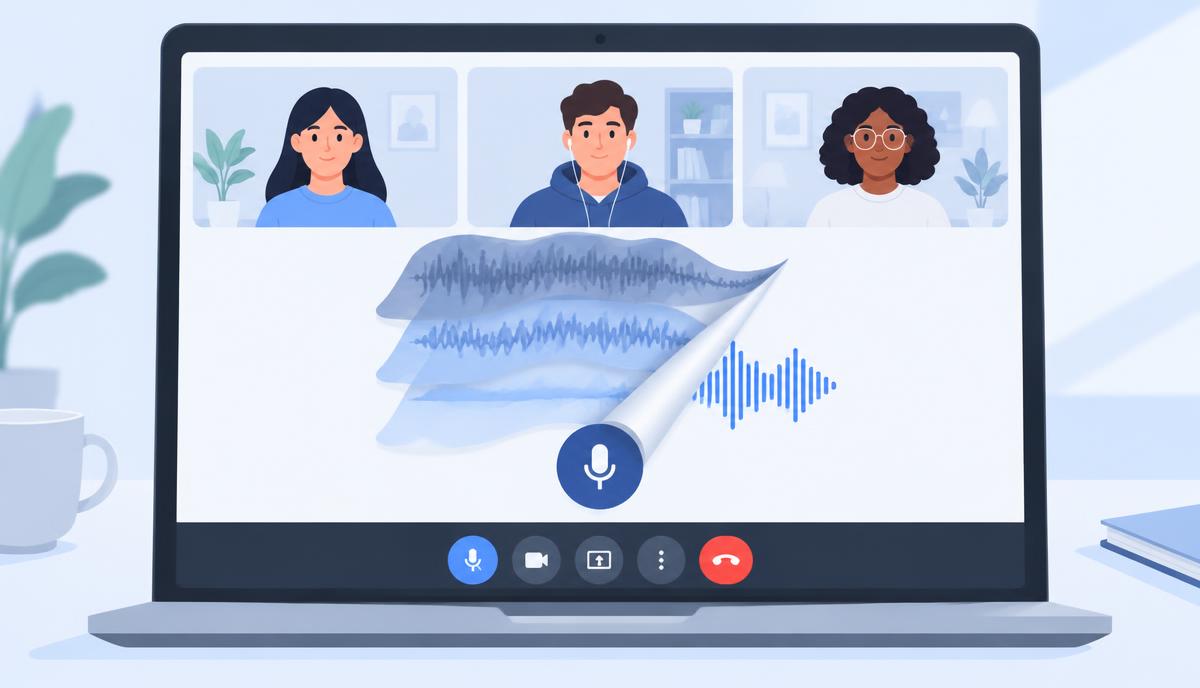
Accent conversion software processes your voice in real time as you speak. It keeps your words and timing but adjusts pronunciation features, such as vowel quality and stress, toward a target accent that listeners find easier to follow. It sits between your microphone and your call app, so it works in Zoom, Google Meet, Microsoft Teams, softphones, and similar tools.
Where accent conversion shines
- Instant effect. It works on your next call, with no study time.
- Consistency under stress. Pronunciation often slips when you are tired or nervous; software output stays steady.
- High-volume speaking. Call center agents, sales reps, and support teams who speak for hours benefit most.
Where it falls short
Accent conversion does not teach you anything, and it does not fix grammar, word choice, or slow replies. It also needs a computer or supported device, so it will not help in a face-to-face interview. Output quality varies between products, and some listeners may notice a slight processing artifact on weaker connections. If you want to compare specific tools, our accent filter comparison covers how leading options differ.
Utell AI is one example in this category. As of October 2026, it combines real-time accent conversion with noise cancellation and voice enhancement for calls and meetings. Like every tool here, it changes how you sound, not how well you know English.
What Accent Training Does (and Doesn't)
Accent training, often called accent reduction or pronunciation coaching, teaches you to produce English sounds differently. It ranges from apps with speech feedback to one-on-one sessions with a speech-language professional or dialect coach. The goal is a lasting change in your own speech.
Where accent training shines
- Permanent skill. The improvement goes with you everywhere: interviews, dinners, presentations, and phone calls with no software.
- Confidence. Many learners report feeling less anxious once they understand which sounds cause confusion and why.
- Targeted feedback. A good coach diagnoses your specific patterns, such as dropped final consonants or stress on the wrong syllable.
Where it falls short
Training is slow. Noticeable change usually takes weeks of regular practice, and adult learners often keep some features of their first language even after long study. Research on second-language speech, including work summarized by the American Speech-Language-Hearing Association, frames accent as a difference, not a disorder, and focuses goals on intelligibility rather than "erasing" an accent. Costs also add up; our guide to online accent reduction classes compares formats and price ranges.
Accent training is the only option of the three that changes you rather than your signal. That is its biggest strength and the reason it takes the longest.
What Live Translation Does (and Doesn't)
Live translation listens to speech in one language and delivers it in another, as captions, synthesized speech, or both. Modern tools chain speech recognition, machine translation, and text-to-speech within a second or two. Human interpreters remain the gold standard for legal, medical, and high-stakes settings.
Where live translation shines
- Bridging real language gaps. If you and a client share no common language, nothing else on this list helps.
- Two-way understanding. Translation helps you understand the other person, not just be understood.
- Travel and occasional meetings. Low setup for short, infrequent conversations.
Where it falls short
Machine translation adds delay, which interrupts natural turn-taking. It can mistranslate idioms, names, and industry terms, and accuracy drops with background noise or overlapping speakers. It also does not help your English improve; it routes around English entirely. For tool options, see our roundup of real-time translation apps for business and travel.
Side-by-Side Comparison
The table below summarizes how the three approaches compare on the points that matter most when you are deciding. Cost ranges are typical market ranges as of October 2026 and vary by provider and country.
| Factor | Accent Conversion | Accent Training | Live Translation |
|---|---|---|---|
| Problem it solves | Being understood despite an accent | Pronunciation habits in your own speech | No shared language |
| Time to results | Immediate | Weeks to months | Immediate |
| Lasts without the tool? | No | Yes | No |
| Requires good English? | Yes | Intermediate or higher helps | No |
| Works face to face? | No (calls only) | Yes | Partly (phone apps) |
| Adds delay? | Minimal | None | Noticeable |
| Typical cost model | Monthly subscription | Per class, course, or app subscription | Subscription, per minute, or interpreter fee |
| Best for | Agents, sales, remote workers on daily calls | Long-term career and personal growth | Cross-language clients, travel, events |
Two rows deserve extra attention. "Lasts without the tool" separates training from the other two: if your career depends on in-person speaking, that row should weigh heavily. "Requires good English" separates translation from the other two: conversion and training both assume you can already build sentences in English, while translation does not. Use these two rows as tie-breakers when the rest of the table feels even.
Which One Fits Your Situation?
Use the diagnostic below to find your starting point. Pick the row that sounds most like your week, not the one that sounds most impressive.
| Your situation | Start with | Why |
|---|---|---|
| Customer support agent, fluent English, frequent "sorry, can you repeat that?" | Accent conversion | Fixes the issue on today's shift; training can follow. |
| Graduate student preparing for in-person presentations and a teaching role | Accent training | Software cannot join you at the lectern. |
| Small business owner selling to buyers who speak little English | Live translation | The gap is language, not accent. |
| Job seeker with remote video interviews next week | Accent conversion plus short practice | Immediate clarity on video; practice builds delivery. |
| Recent immigrant still building vocabulary | Training, with translation as backup | Long-term language growth matters most. |
For example, a support agent in Manila handling 60 calls a day gets far more value from consistent real-time clarity than from a weekly class she has no energy for after work. A PhD student in Toronto who presents in seminars needs the opposite: a skill that works without a laptop.
Common Mistakes When Choosing
Even with a clear diagnosis, people often pick the wrong tool for reasons that have little to do with communication. Watch for these patterns before you spend money or time.
Buying for the accent you wish you had
Some learners choose a target accent, such as General American or British RP, because it feels prestigious. Your listeners matter more than prestige. A support agent serving Australian customers gains little from sounding Californian. Pick the variety your audience hears every day, or simply aim for widely intelligible English.
Expecting software to fix fluency
Accent conversion and translation both work on the signal, not the speaker. If you pause for long stretches searching for words, no voice processing will hide that. In this case, vocabulary building, shadowing exercises, and role-play practice deliver more value than any subscription.
Ignoring the audio basics
Every option on this list performs worse with a poor microphone, a noisy room, or an unstable connection. Speech recognition in translation tools misses words, and accent processing has less clean input to work with. A wired headset with a close microphone often improves results more than switching products.
Treating it as all-or-nothing
Many people assume that using a real-time tool means admitting defeat, or that taking classes means they must avoid tools. Neither is true. Professional athletes use both coaching and equipment; communication works the same way. The healthiest approach is to use technology where speed matters and training where growth matters.
Skipping a trial period
Accents, voices, and call setups differ. A product that works well for one colleague may sound less natural with your voice or headset. Test any tool on a few low-stakes calls, ask a trusted coworker for honest feedback, and only then roll it out for important meetings or customer conversations.
Combining Them: A Practical Roadmap
These approaches are not rivals. The most effective setup for many professionals is a combination that covers both today and the next year.
- Diagnose first. Record a five-minute call and note where listeners struggle: specific words, speed, or meaning.
- Cover the urgent need. Use accent conversion for high-stakes calls or translation for cross-language clients.
- Build the long-term skill. Add 15–20 minutes of focused pronunciation practice a few times a week.
- Reassess every three months. As your speech improves, you may rely on software only for long shifts or important calls.
To be fair to the alternatives: a skilled human coach offers something no software can, namely personal feedback and accountability that build confidence in every setting. Professional human interpreters still outperform machines on nuance, emotion, and specialized terms. Real-time accent tools win on speed and consistency for daily calls, but they are a support, not a substitute for learning.
If your main pain point is being understood on calls right now, you can try Utell AI free alongside whatever training plan you choose.
FAQ
Is accent conversion the same as a voice changer?
No. A voice changer alters pitch or character for fun, often making you sound like someone else entirely. Accent conversion keeps your voice identity, words, and timing while adjusting pronunciation features so listeners follow you more easily. It is designed for professional conversations such as support calls, sales demos, and team meetings rather than entertainment.
Will using accent conversion stop me from improving my English?
Not by itself. You still hear yourself, choose your words, and manage the conversation. Many people actually use it to lower call anxiety while they practice separately. The risk is only skipping practice entirely. Treat the tool like a hearing aid for your listeners, and keep a small weekly routine for your own pronunciation goals.
How long does accent training take to show results?
It depends on your starting point, practice frequency, and goals. Many learners notice clearer target sounds within four to eight weeks of regular practice, while broader changes in rhythm and intonation take longer. Aim for intelligibility rather than a "native" accent, which is a realistic and widely recommended goal for adult learners.
Can live translation replace learning English for work?
For occasional cross-language meetings, it can carry you a long way. For daily work in English-speaking teams, it usually cannot, because delay and mistranslations add friction to quick discussions, jokes, and negotiations. Most professionals use translation as a bridge while they build language skills, not as a permanent workaround.

Sound clearer on your next call
Utell AI converts your accent and cleans up background noise in real time.


