


Home›Blog›50 SaaS Demo Terms That Are Easy to Mishear (and Fixes)
Workplace50 SaaS Demo Terms That Are Easy to Mishear (and Fixes)
Contents

A SaaS demo packs more jargon into 30 minutes than almost any other business call. Prices, seat counts, acronyms and compliance terms arrive fast, often over a laptop microphone and a compressed video stream. One misheard word, such as fifteen seats becoming fifty, can derail pricing talks or plant doubt about your product.
This list collects 50 SaaS demo terms that are easy to mishear, grouped into five families. Each row shows what buyers commonly hear instead, why the slip happens, and a clearer way to say it. The examples come from common phone-audio confusions and standard sales vocabulary, not from a controlled study, so treat them as a practical checklist rather than statistics.
Why SaaS Demos Are a Mishearing Hotspot
Three pressures stack up in a typical demo. First, the vocabulary is dense: acronyms like SSO, ARR and SOC 2 sound nothing like their spelling, and many buyers hear them rarely. Second, the audio is poor. Video platforms compress voice, and laptop microphones pick up room echo and keyboard noise.
Third, both sides are often speaking a second language. A seller with a Spanish or Indian English accent and a buyer with a German or Japanese ear each bring different sound habits. None of this is about accent being wrong. It is about two speech patterns meeting over a narrow audio channel.
- Numbers carry money, so errors there are the most expensive.
- Letter acronyms lose a letter easily, and the buyer rarely asks again.
- Near-homophones such as renewal and removal flip the meaning of a sentence.
Pricing and Contract Terms
Pricing is where a slip costs real money. Numbers ending in -teen and -ty are the classic trap, but contract words carry risk too.
| Term | Often heard as | Why it slips | Safer way to say it |
|---|---|---|---|
| Fifteen seats | Fifty seats | The -teen and -ty endings blur on compressed audio | "One-five seats, fifteen" |
| Per seat | Per site | Short vowels collapse over a weak connection | "Per user, per seat" |
| Annual | Manual | The opening vowel gets swallowed | "Billed yearly, annual" |
| Tier | Tear / tea | Final r drops in many accents | "Pricing tier, the Pro level" |
| Add-on | Addin / add one | Linking sounds merge two words | "Optional add-on module" |
| Renewal | Removal | Similar rhythm, one consonant apart | "Contract renewal, when it renews" |
| Overage | Average | Stress falls on the same first syllable | "Overage fee, usage above the limit" |
| Proration | Pro ration / operation | Unfamiliar word for many buyers | "Prorated, you pay only for the days used" |
| Net 30 | Net 13 / Net 3 | Thirty and thirteen are classic confusions | "Net thirty, three-zero days" |
| Discount | This count | The first syllable can vanish | "A ten percent discount" |
Tip: Always pair a spoken price with a written one. Type the figure in the chat or show it on a slide while you say it.
Integration and Technical Terms
Technical buyers know these words, but business buyers in the same call may not. Short words like sync and cache are especially slippery.
| Term | Often heard as | Why it slips | Safer way to say it |
|---|---|---|---|
| API | AP / eight-P-I | Letter names run together | "A-P-I, our developer interface" |
| SDK | STK / SDA | D, T and A sound close on phone lines | "S-D-K, the software kit" |
| Webhook | Web book | Final k and h get lost | "Webhook, an automatic callback" |
| Sandbox | Sandbags | Rhythm matches, ending blurs | "Sandbox, the test environment" |
| Latency | Lazy see | Middle syllable shrinks at speed | "Latency, the delay in milliseconds" |
| Sync | Sink | These two are homophones | "Data sync, keeps both systems matched" |
| Cache | Cash / catch | Spelling suggests a different sound | "Cache, rhymes with cash, stored data" |
| Endpoint | Endpoints / end point | Plural s is easy to miss | "One endpoint, a single URL" |
| Native integration | Neighbor integration | Unstressed vowels shift | "Built-in, native integration" |
| Middleware | Middle where | Compound words split oddly | "Middleware, the connector layer" |
Tip: When a technical term appears for the first time, add a five-word plain-English gloss. Experts will not mind, and newcomers will follow.
Metrics and Business Terms
Finance and operations leaders listen for metrics. Several of these acronyms collide with ordinary words or names.
| Term | Often heard as | Why it slips | Safer way to say it |
|---|---|---|---|
| ARR | Are / R-R | Sounds like a common verb | "A-R-R, annual recurring revenue" |
| MRR | MRI / Mr. | Familiar words pull the ear | "M-R-R, monthly recurring revenue" |
| Churn | Charm / turn | Vowel and ch sound vary by accent | "Churn, customers who cancel" |
| Retention | Attention | Same rhythm and ending | "Customer retention rate" |
| CAC | Cack / Kak | Pronounced as a word or as letters | "C-A-C, cost to acquire a customer" |
| LTV | LTD / OTV | V and D are close on narrowband audio | "L-T-V, lifetime value" |
| ROI | Roy | Often spoken as a name | "R-O-I, return on investment" |
| Uptime | Up time / optime | Number that follows matters more | "Ninety-nine point nine percent uptime" |
| Onboarding | On boarding / unboarding | Prefix gets misheard | "Onboarding, the setup period" |
| Adoption | A option | The d is soft in fast speech | "User adoption, how many people use it" |
Tip: Spell metric acronyms the first time, then use the full phrase once more later in the demo.
Security and Compliance Terms
Security reviewers take notes word by word. A misheard compliance term can trigger a follow-up questionnaire you did not need.
| Term | Often heard as | Why it slips | Safer way to say it |
|---|---|---|---|
| SSO | SOS / S-S-L | Repeated letters merge | "S-S-O, single sign-on" |
| SAML | Samuel / sample | Sounds like a name | "SAML, spelled S-A-M-L" |
| SOC 2 | Sock two / soccer two | Spoken as a word | "SOC 2, the audit report" |
| GDPR | GTPR / GDP | Long letter strings drop a letter | "G-D-P-R, the EU privacy law" |
| HIPAA | Hippo | Spelling and sound differ | "HIPAA, US health privacy rules" |
| Encryption | Inscription | Similar shape and stress | "Encrypted at rest and in transit" |
| Role-based access | Rule-based access | Role and rule are near-identical | "Access by job role" |
| MFA | MBA / NFA | M and N swap easily | "M-F-A, multi-factor login" |
| Audit log | Audit blog | Linking sound adds a consonant | "Audit log, the activity record" |
| Data residency | Data residence see | Unfamiliar phrase for some buyers | "Where your data is stored, the region" |
Tip: Put compliance names on a dedicated slide. Security teams prefer to read them anyway.
Acronyms That Collide
These general business acronyms appear in almost every demo. Each one has a near neighbor that sounds alike on a call.
| Term | Often heard as | Why it slips | Safer way to say it |
|---|---|---|---|
| SaaS | Sass / sauce | Pronounced as a word | "SaaS, software as a service" |
| CRM | CRN / CRM-M | M and N blur | "C-R-M, like Salesforce or HubSpot" |
| POC | Pock / PLC | Said as letters or a word | "Proof of concept, a short trial" |
| SLA | S-L-E / slay | Final A sound varies | "S-L-A, the service agreement" |
| KPI | KBI / OPI | P and B are close | "K-P-I, key performance indicator" |
| MSA | MSE / NSA | Letters flip at speed | "Master services agreement" |
| SKU | Skew / S-K-U | Two accepted pronunciations | "Product code, the SKU" |
| QBR | QVR / Cuber | B and V swap | "Quarterly business review" |
| ETL | ATL / ETA | E and A merge in some accents | "E-T-L, data pipeline" |
| NPS | MPS / NBS | Nasal letters get confused | "N-P-S, net promoter score" |
Tip: Keep a short acronym legend in your follow-up email so buyers can check anything they missed.
A 5-Minute Pre-Demo Term Check
You do not need a speech coach to reduce these errors. A short routine before each demo catches most of them. It works best on the same headset and app you will use with the buyer.
- Pick your top ten terms. Choose the prices, seat counts and acronyms this buyer will hear most.
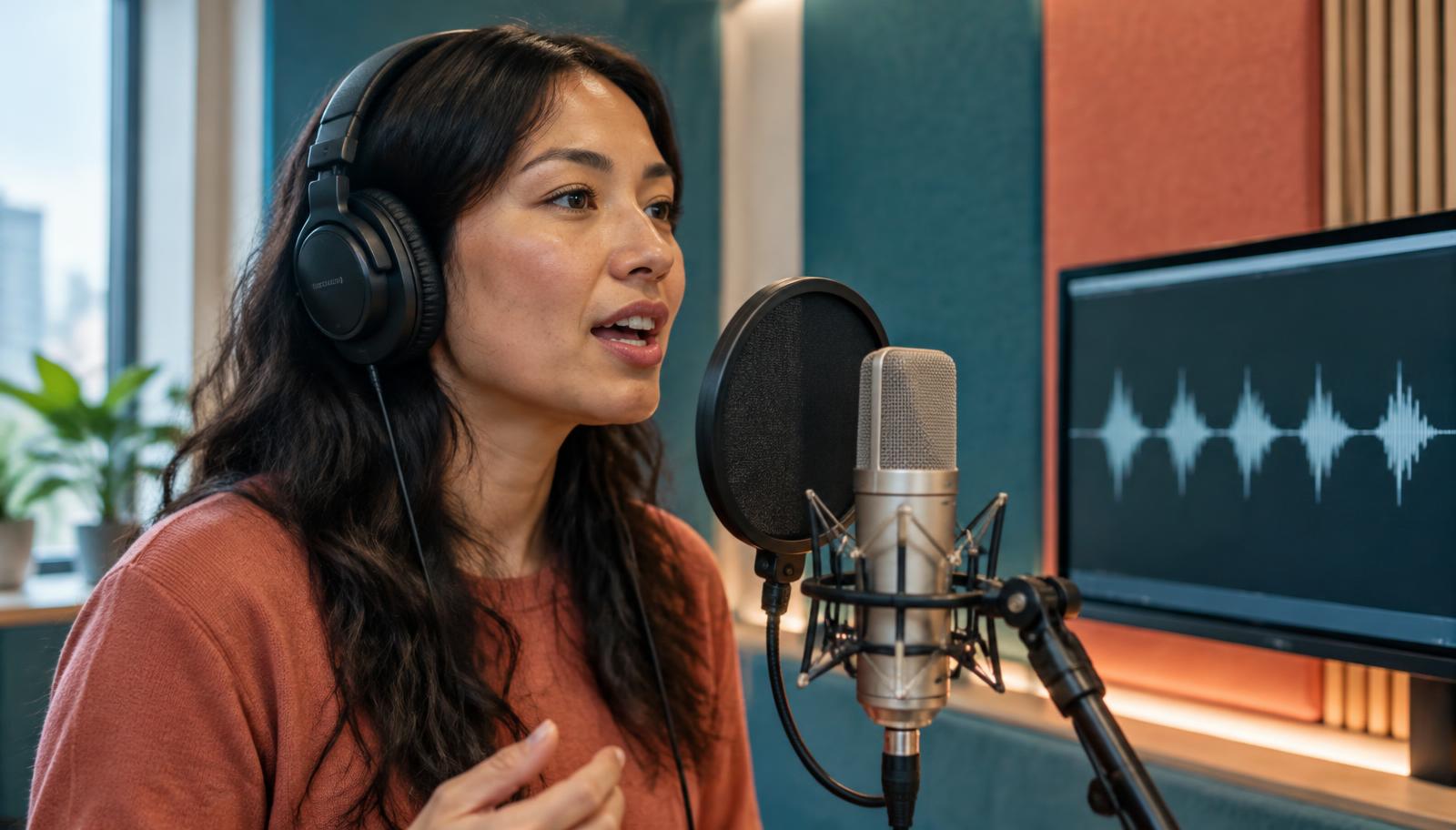
- Record yourself. Say each term in a full sentence through your call app's test recording.
- Play it back at normal volume. Listen for dropped endings, merged letters and teen/ty blur.
- Mark the weak ones. For each, decide whether to spell it, add a gloss or show it on screen.
- Prepare one slide. Put numbers, plan names and compliance terms in a single reference slide.
For a broader pronunciation self-test, the five words in our guide to accent test words that reveal how you speak make a useful warm-up. They target the same vowel and consonant contrasts that cause many of the slips above.
Screen-Plus-Voice Confirmation Habits
The most reliable fix is redundancy: say it, show it, confirm it. Sellers who rely on voice alone leave every key detail to a single channel. These habits add a second channel without slowing the demo.
Read back the numbers that matter
After quoting a price, ask a quick check question: "So that's fifteen seats, one-five, on annual billing. Does that match what you had in mind?" Our article on whether accent conversion preserves names, numbers and prices includes more read-back scripts for these moments.
Use other tools for what they do best
Several non-voice options are strong here. Live captions in Zoom, Teams and Google Meet give buyers a text record they can glance at. The chat box is ideal for prices, links and acronyms. A follow-up email with a short glossary removes doubt after the call. A human sales engineer joining for the technical section can also field questions in context. These options are often free and already inside your tools.
Where real-time accent conversion fits
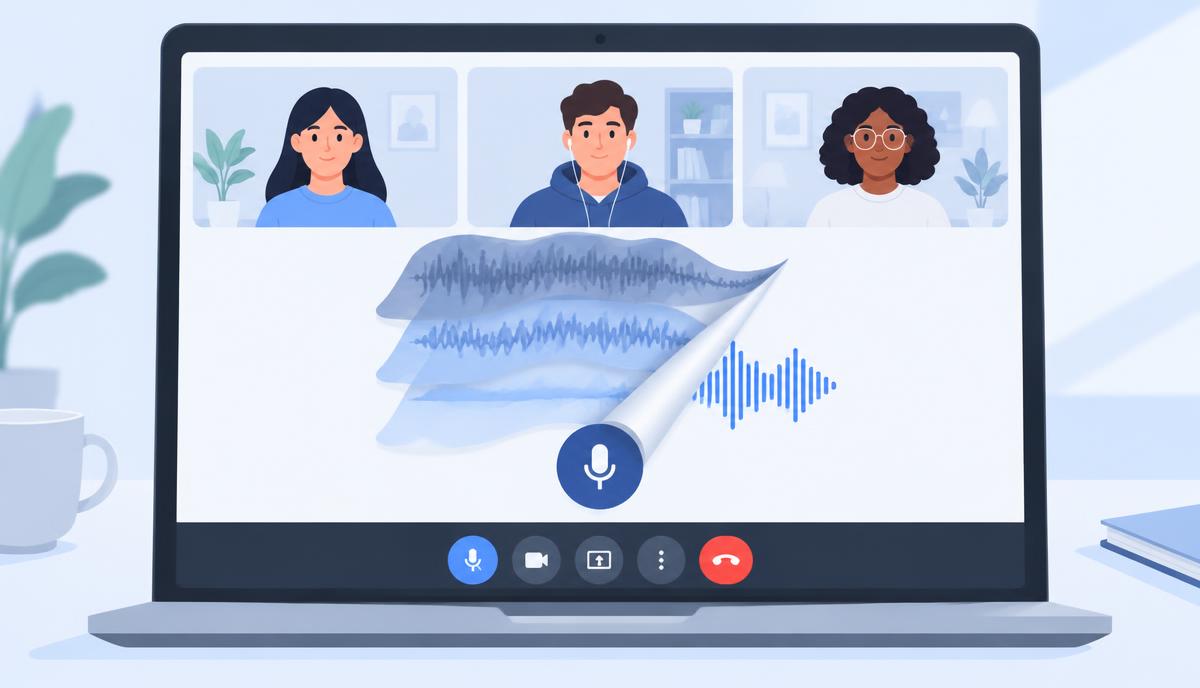
Some sellers add a voice layer as well. Utell AI converts your accent in real time and reduces background noise, so letters and endings arrive with less distortion on the buyer's side. It changes how your voice sounds, not what you say, and it does not replace the habits above or learning English. Sellers on outbound teams often pair it with the practices in our guide to using an accent changer for cold calls.
If you want to test it on your own demo vocabulary, you can try Utell AI free and run the five-minute check above with it switched on and off.
FAQ
Which SaaS demo terms cause the most costly mix-ups?
Numbers tied to money cause the most damage. Seat counts like fifteen versus fifty, payment terms like Net 30 versus Net 13, and discount percentages can change a quote by thousands. Confirm every figure in writing during the call, then repeat it in the recap email so the buyer has a record.
Should I spell out acronyms or say the full phrase?
Do both the first time. Say the letters, then the meaning, for example S-S-O, single sign-on. After that, use the short form. This helps mixed audiences where finance, IT and operations people sit in the same call with different levels of familiarity.
Do buyers really mishear terms, or do they just not know them?
It is usually both. Unknown words are harder to catch because the listener cannot guess from context. That is why a plain-English gloss helps even when audio is clear. Poor microphones and compressed video audio make familiar words harder too.
Can captions replace careful pronunciation in demos?
Captions help, but automatic transcription also mishears jargon, acronyms and product names. Use captions as a helpful backup, not a full replacement. Pair them with slides, chat messages and a follow-up email so key details always appear in text you control.

Sound clearer on your next call
Utell AI converts your accent and cleans up background noise in real time.


